




There’s something very magical about plants that brave the winter weather and flower when everything else in the garden is slumbering.
The nodding heads of snowdrops are a delight to the eye when everything else in the garden can seem slow to appear. This spring, the fair maids of February have appeared earlier than usual and have been popping up since early January in most parts of the UK. Snowdrops pushing their heads above the soil herald the arrival of spring. I simply love their dancing heads and the elegant green hints on the petals and the coy way that they hang their heads.
Special snowdrops
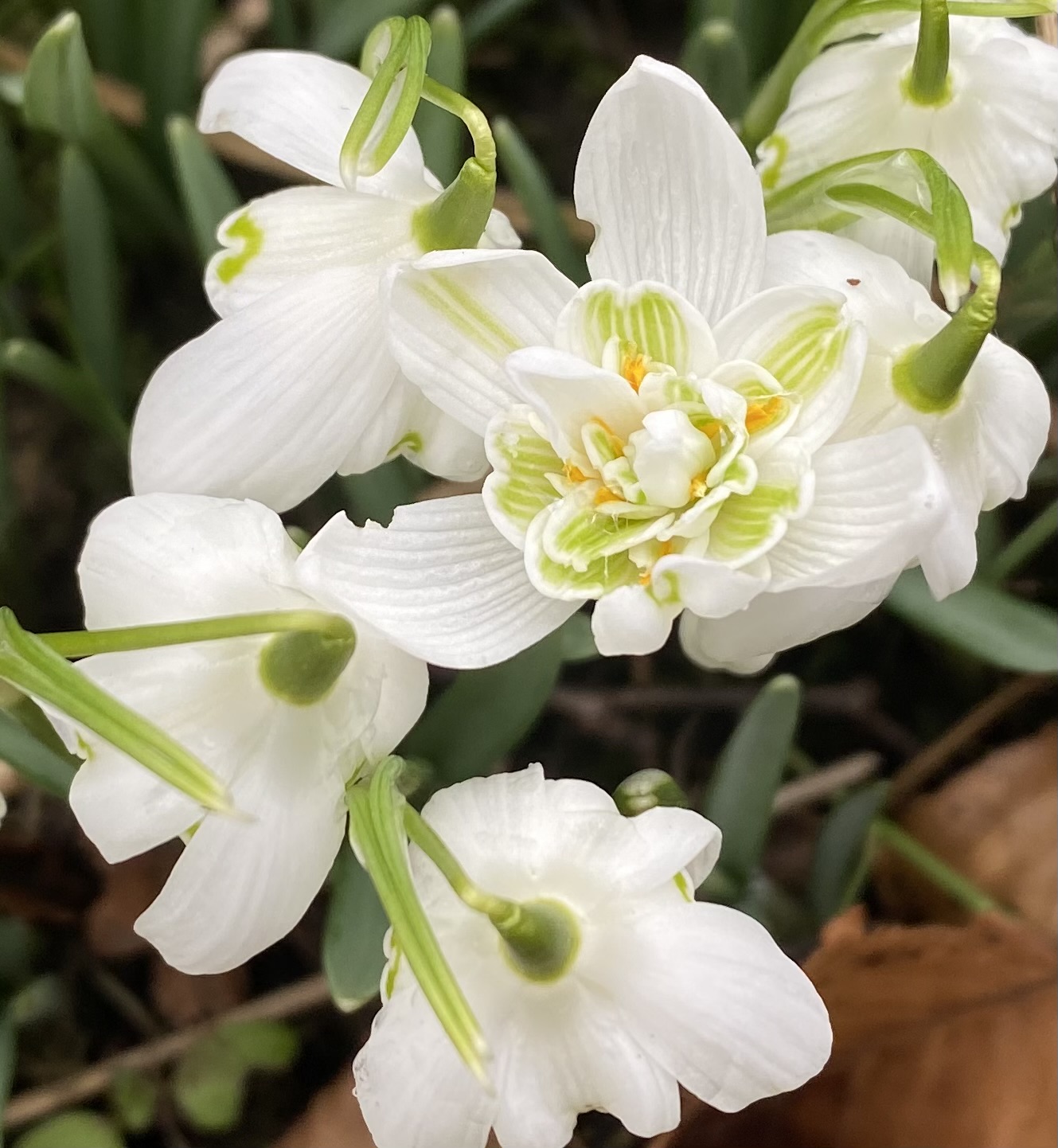
Some snowdrop bulbs change hands for hundreds of pounds. But you don’t need to buy unusual forms of these magical bulbs. Instead beg, borrow or buy snowdrop bulbs from someone local that has a good display, or look out for snowdrops on plant stalls this season. In my garden I have a few clumps of double-flowered snowdrops from my late grandmother’s garden. She was an avid gardener and I always think of her when I see them in flower.
Big clumps of snowdrops can be easily divided and replanted, or potted up so you can really appreciate their beauty and their form. One of the problems with appreciating snowdrops is that they grow close to the ground and their nodding heads face the soil. So, if you can find a way to view them from underneath you will appreciate them even more (see below).
Look out for local snowdrop sales and special snowdrop events near you. There are several gardens, across the UK with great swathes of snowdrops in flower to see, check the local press and find a way to visit these fascinating winter gardens.
Starting out with snowdrops
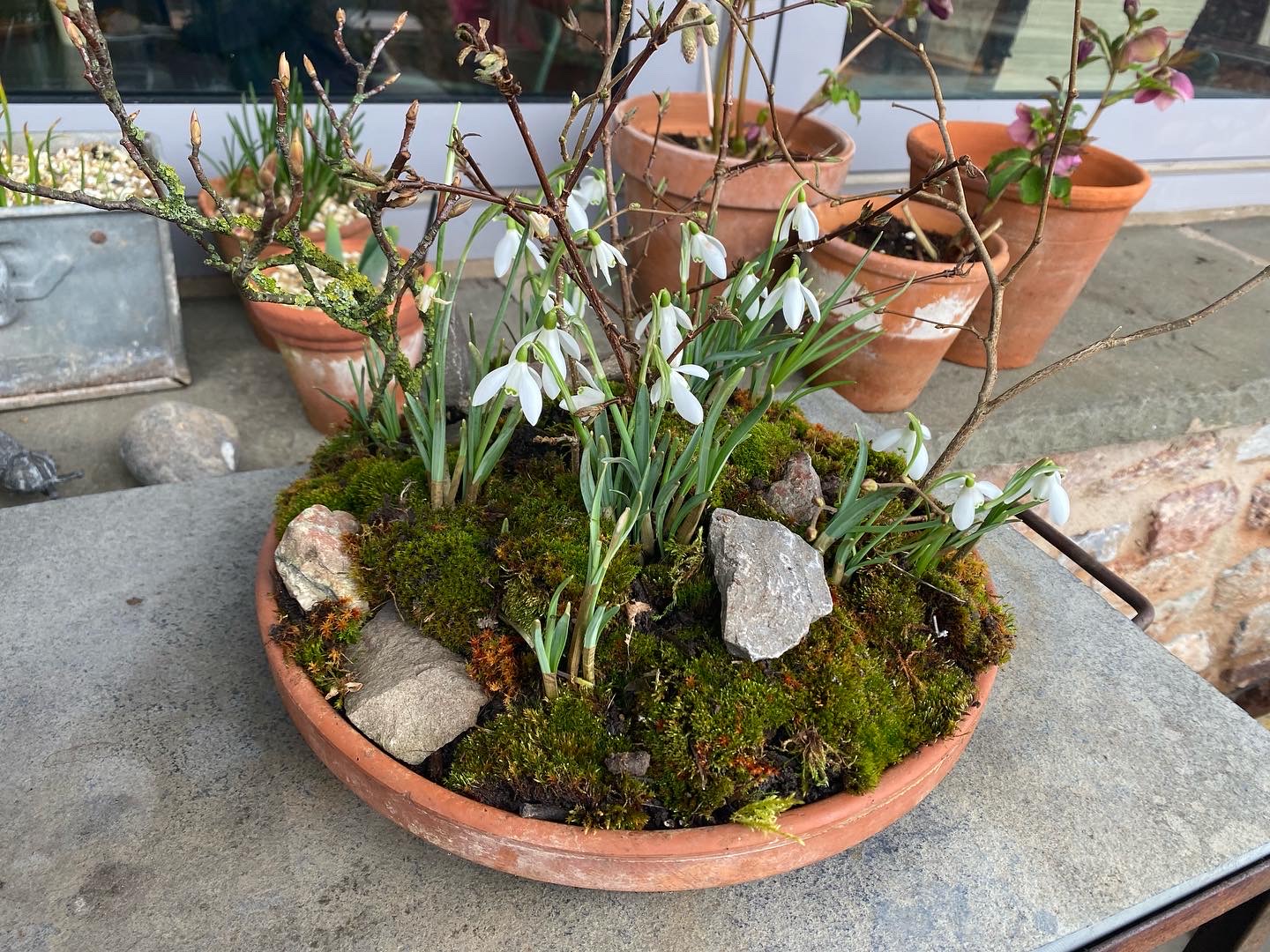
If you are new to snowdrops buy a pot of flowering bulbs from a local nursery, pot them into a terracotta pot and place them somewhere you can enjoy them. After flowering, pick off the flower heads so that the plant puts its energy back into the bulbs. Place the pot somewhere sheltered and safe for the rest of the summer. In autumn position the pot somewhere you can see it and watch for the little shoots to start to appear in December. You should find that your bulbs have started to bulk up, and the single bulbs you bought have divided into two or more bulbs. Once your snowdrops have flowered, you can gently tap them out of the pot and divide the bulbs into singles again. These can be repotted or planted out into the garden where they will bulk up again before they emerge next year.
Five ways to display snowdrops
Make the most of the few weeks your snowdrops are in flower and let them put on a show so that you can see them. Ideally you need to look up at them and see their beauty. Here are five ways to put your snowdrops on show.
Pots – the simplest way to enjoy snowdrops is to plant them into small terracotta pots, then you can move them around so that you can see them. A pretty pot of snowdrops, ‘mulched’ with some moss makes a charming table centrepiece on an outdoor table. Perfect when you slink outside for a sneaky morning coffee.
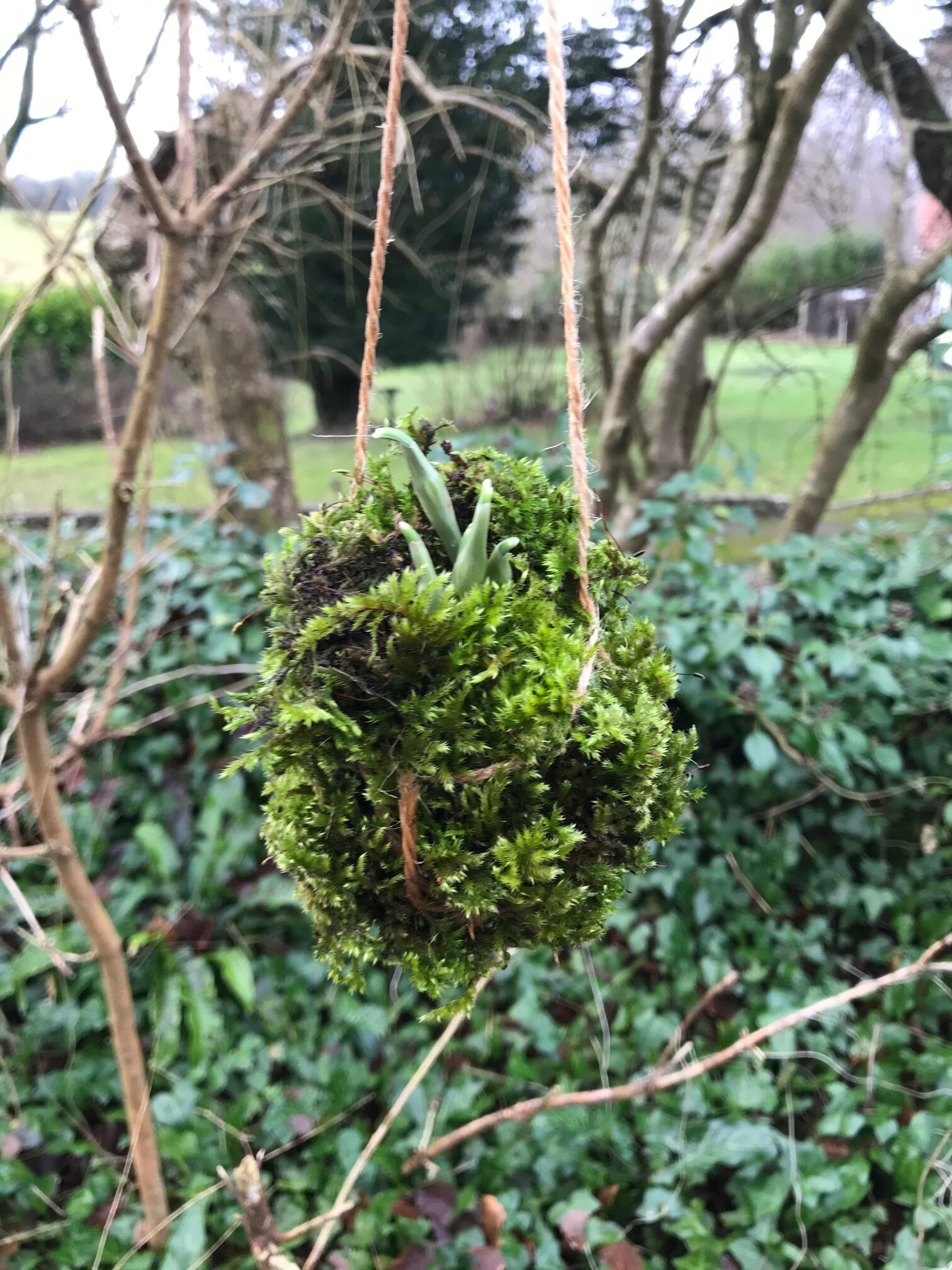
Moss ball – when you are dividing your snowdrops, wrap some in a blanket of moss and make a snowdrop Kokedama. It’s very easy and looks fantastic. Turn your moss blanket over so that the ‘roots’ are uppermost. Place a generous handful of compost in the middle of the moss and then plant your snowdrops in the middle. Mould the moss over the snowdrop/compost mix and tie together with twine. You can hang them from the lower branches of a tree where they will flower, or arrange them in a bowl, or use them as a table centrepiece.
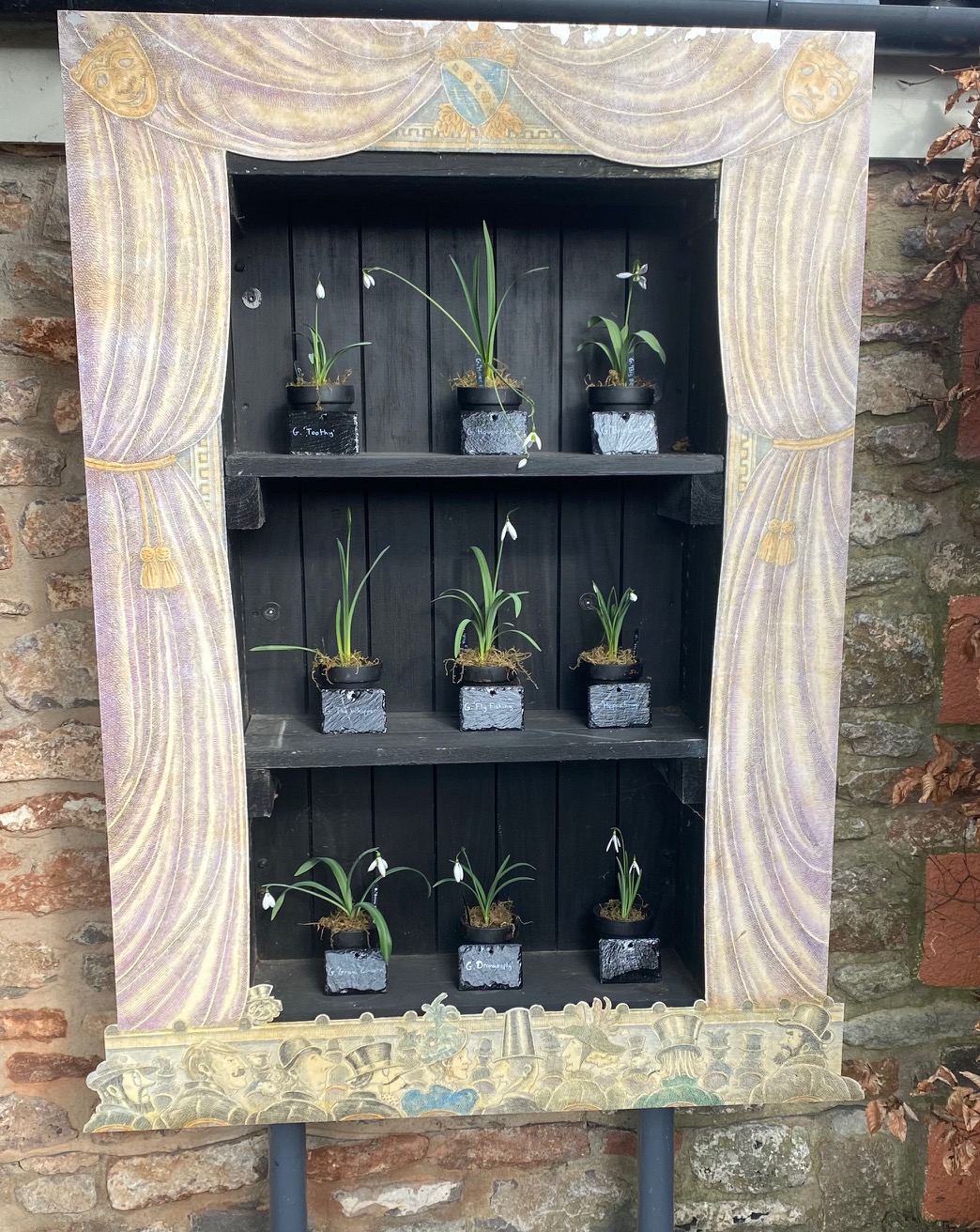
Make a Snowdrop Theatre – You’ve probably seen an auricula theatre, or a viola theatre? Why not make a snowdrop theatre. It’s a great way to present them and if you elevate the display, you can see the flowers much easier from eye level or from below. It can be as simple as a set of shelves with the plants arranged on them, or a hand-built display unit.
Naturalised Snowdrops – One of the wonderful things about snowdrops is that they emerge long before the rest of the garden wakes up. As the little shoots and flower buds start to stir beneath the soil surface everything around them is still silent and sleeping and this includes your lawn. If you’ve got a grassy verge, a grassy bank or even a lawn plant single snowdrops (still in the green) in a random pattern into these areas. Let the leaves flourish and die back before you cut the grass over them. Next year you will find lots of little clumps of snowdrops where you planted the singles. To get a really random, naturalised look then scatter a handful of pebbles or marbles across the area and plant each snowdrop bulb where each one falls.
Snowdrop Baskets – Keep it simple. You don’t need to spend a fortune to display your snowdrops. Why not plant them into a hanging basket. Plant them right up to the edges so that the flowers dangle over the edge. Hang it high and you can observe the flowers from underneath. Interplant with something like the black leaved Ophiopogon plansicapus. The black and white contrast will be quite stunning.